I remember the first time I tried a crock pot beef stew that promised hands-off comfort but delivered a thin sauce and chewy chunks of beef; I knew something had to change. This crock pot beef stew solves those problems with a short sear, a tested meat-to-liquid ratio, and staggered vegetable timing so the carrots and potatoes keep their shape.
The stew smells like slow-cooked beef and herbs after a few hours and finishes with a glossy, slightly thickened broth—comforting without being mushy. Keep reading and I’ll show you the exact cues I use so your slow cooker delivers consistent results every time.
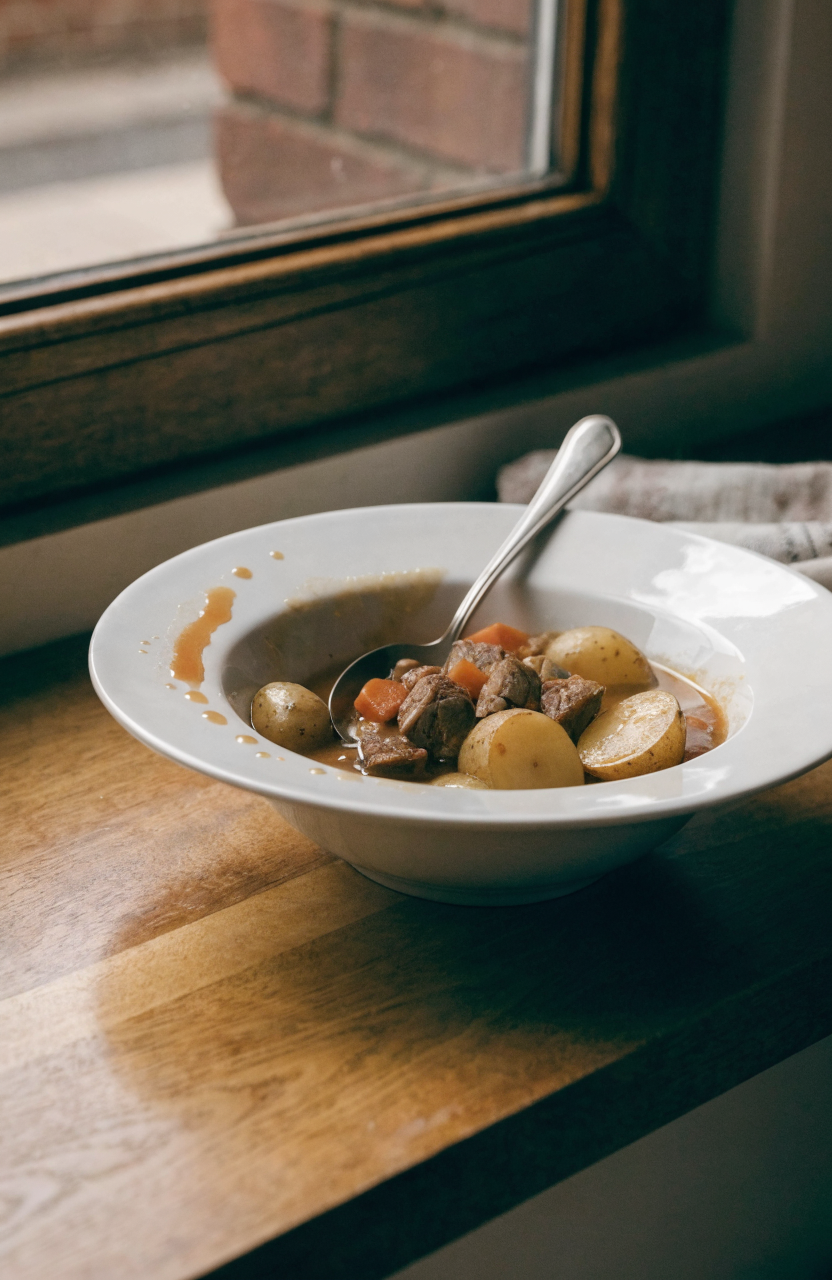
Why this crock pot beef stew works
The key technique that makes this version reliable is a two-step approach: a quick stovetop sear for the beef and a controlled liquid ratio in the crock pot. Searing builds flavor through caramelization and prevents the stew from tasting flat, while the liquid ratio—about 2 cups of liquid per pound of beef—keeps the broth richly concentrated instead of watered-down. I also stagger when I add root vegetables; potatoes and carrots go in later so they hold texture instead of turning to mash after eight hours.
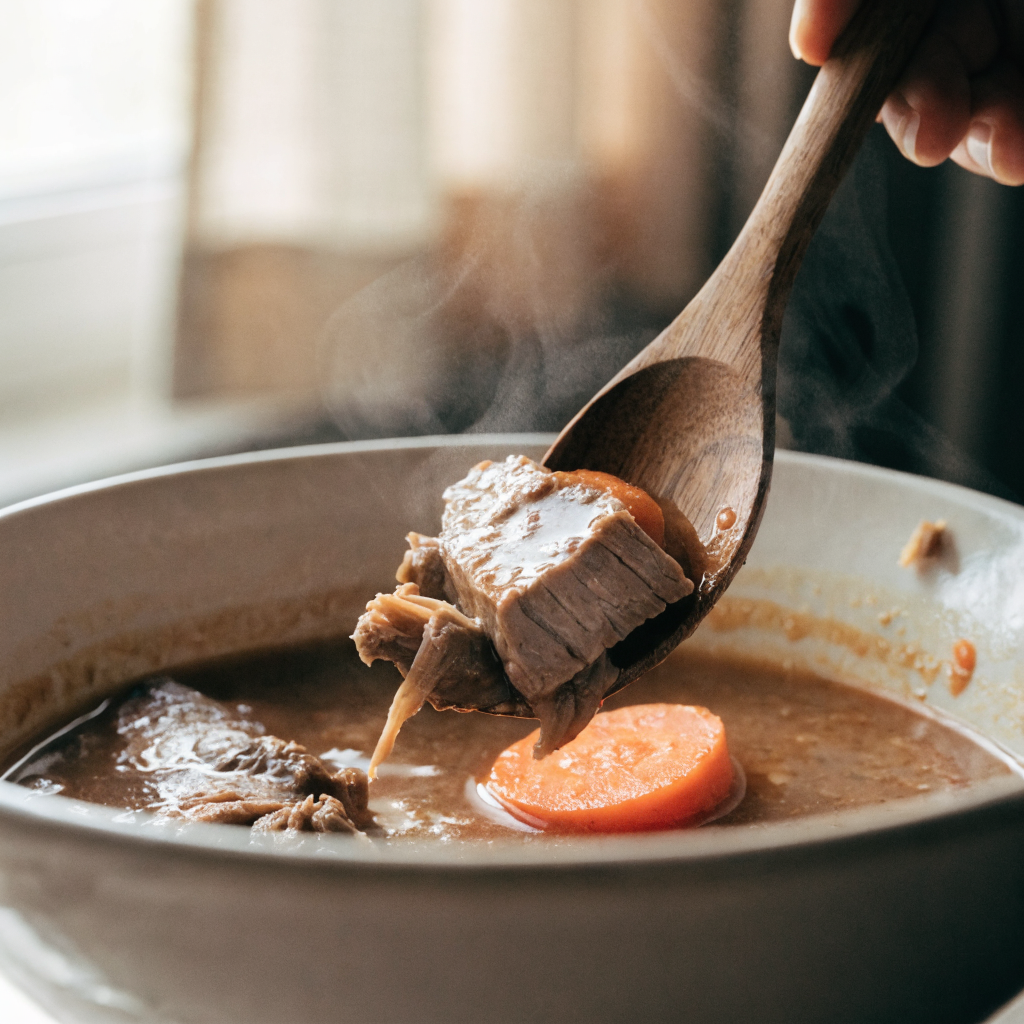
During testing I first followed a fully hands-off method and found the sauce lacked depth and the meat sometimes remained slightly tough in the center. Browning each batch of beef and skimming off excess fat after searing fixed both problems. The final method gives tender, forkable meat, a glossy, savory broth, and vegetables with clean edges that still yield when pierced with a fork.
Key takeaways
- Sear the beef — it adds deep flavor and helps lock in juices.
- Use 2 cups of liquid per pound of beef for a concentrated stew broth.
- Add potatoes and carrots later to avoid overcooked, mushy vegetables.
Ingredients you’ll need and what to substitute
This crock pot beef stew uses simple, pantry-friendly items: chuck roast (the best cut for long, slow cooking because of its collagen), beef broth for savory depth, tomato paste for umami and a touch of acidity, and a mix of aromatics (onion, garlic, bay leaf). I recommend peeling and cutting vegetables into consistent pieces so they cook evenly.
Substitutions: If you can’t find chuck, use a boneless arm roast or brisket cut into stew-size pieces; both need the same low-and-slow time. Swap beef broth for low-sodium beef stock if you prefer to control salt, and if you need a budget option, use one cup of water plus one low-sodium bouillon cube per cup of broth. For richer flavor, add 1 tablespoon Worcestershire sauce (optional) or 1 teaspoon soy sauce; these concentrate flavor without changing technique. If you want a thicker finish without additional cornstarch later, replace 1/4 cup of the broth with a small splash of tomato sauce and use very little extra liquid overall—note this will slightly alter the flavor.
Equipment
You don’t need fancy tools for this crock pot beef stew. A 6-quart slow cooker is ideal—smaller cookers may require batch cooking; larger ones will just be roomier. Use a 12-inch heavy skillet or cast-iron pan for searing so you can get good browning without crowding. Have a wooden spoon, a sharp chef’s knife, and a cutting board ready. If you want a quicker finish, a slotted spoon and a small bowl for skimming fat help tidy the broth before serving.
How to make crock pot beef stew
Prep and sear
Trim excess fat from 2 pounds of chuck roast and cut into 1 1/2-inch cubes so they become fork-tender without falling apart. Season the beef liberally with salt and 1/2 teaspoon black pepper. Heat 1 tablespoon neutral oil in a heavy skillet over medium-high heat until shimmering. Sear the beef in two batches without crowding the pan, about 2–3 minutes per side, until a deep brown crust forms—this takes the flavor from bland to beefy. Transfer seared pieces to a plate; don’t try to get every last brown bit off the pan yet.
Layer flavors in the slow cooker
Lower the skillet heat and add the diced onion; cook for 2–3 minutes to take off the raw edge, then add minced garlic and 1 tablespoon tomato paste, stirring until the paste darkens slightly. Deglaze the skillet with 1/2 cup of the beef broth, scraping brown bits into the liquid, then pour that mixture into the crock pot. Add the browned beef, an additional 2 1/2 cups beef broth (for a total of 3 cups), 1 tablespoon Worcestershire sauce (optional), 2 teaspoons chopped fresh thyme or 1 teaspoon dried thyme, and 1 bay leaf. The total liquid is about 3 cups for 2 pounds of beef—this keeps the stew concentrated while giving the meat enough moisture.
Slow cook and add vegetables
Cover and cook on LOW for 7 hours (or HIGH for 4–5 hours) until the meat is fork-tender but not falling apart. About 90 minutes before the end of cooking on LOW (or 45 minutes before on HIGH), stir in 1 pound of baby potatoes halved and 3 large carrots cut into 1-inch pieces so they finish tender but intact. Taste and season with salt and pepper after the vegetables are tender. If the broth is too thin, whisk 2 tablespoons cornstarch with 2 tablespoons cold water and stir into the hot stew; simmer on HIGH for 10–15 minutes to thicken.
Finish and rest
Remove the bay leaf and skim any excess fat with a spoon. Let the stew rest for 10 minutes before serving so flavors settle and the broth slightly thickens. Garnish with chopped parsley for color. The stew should have glossy sauce that lightly coats a spoon and meat that pulls apart easily with a fork.
Things I learned the hard way
- Don’t skip searing the beef: I once skipped it to save time and the stew tasted flat; searing concentrates flavor and improves mouthfeel.
- Watch the liquid: too much broth gives a thin soup instead of stew; stick to about 2–2.5 cups per pound of meat for richness.
- Add potatoes and carrots later: early addition produced overcooked veggies that broke down; staggering helps them keep shape.
- Skim fat early: after searing, I used to pour everything in and end up with greasy broth; deglazing and skimming once or twice cleans the flavor.
- Use chuck or a similar cut: lean cuts like sirloin become dry even in a slow cooker; collagen-rich chuck yields tender, silky meat.
- Test doneness by fork: the most important cue is that meat should pull apart with gentle fork pressure, not crumble into threads.
Variations to try
- Hearty mushroom stew: Add 8 ounces sliced cremini mushrooms with the carrots; reduce broth by 1/4 cup. Mushrooms add savory depth and absorb the beefy broth.
- Red-depth (non-alcoholic): Replace 1/2 cup of the beef broth with unsweetened grape juice and add an extra 1/2 teaspoon Worcestershire sauce to mimic deeper, fruity notes; no cooking-time change needed.
- Spiced stew: Stir in 1/2 teaspoon smoked paprika and 1/4 teaspoon ground allspice with the thyme for a warmer aroma; this pairs well with roasted root vegetables.
- Chunky vegetable-forward: Double the vegetables (add parsnips and turnips) and reduce beef to 1 1/2 pounds for a more veg-forward pot; increase total cook time on LOW by 30 minutes if needed.
Storage, freezing, and reheating
Refrigerate leftover stew within two hours in an airtight container for up to 4 days. For freezing, cool completely and portion into freezer-safe containers, leaving 1/2-inch headspace; freeze for up to 3 months. Thaw in the refrigerator overnight before reheating.
To reheat, warm gently on the stovetop over medium-low, stirring occasionally, until simmering, about 8–12 minutes for a single serving. If reheating from frozen, thaw first or use low power in a microwave to defrost, then finish on the stovetop. Expect the potatoes to soften further after refrigeration; if you prefer firmer potatoes, reheat only the portion you plan to eat and add fresh steamed potatoes when serving.
What to serve with crock pot beef stew
Pair this stew with crusty bread or buttered egg noodles to mop up the sauce, a simple green salad for brightness, or roasted Brussels sprouts for a textured side. For a cozy meal, serve with mashed potatoes or a warm biscuit—each adds a different carb texture that complements the rich stew.
No-Fail Crock Pot Beef Stew
Ingredients
Equipment
Method
- Pat beef cubes dry with paper towels and season with salt and 1/2 teaspoon pepper.
- Heat 1 tablespoon oil in a 12-inch skillet over medium-high heat and sear beef in batches for 2–3 minutes per side until deeply browned; transfer to a plate.
- Lower heat to medium and add the remaining 1 tablespoon oil to the skillet, cook the diced onion 2–3 minutes until softened, add garlic and tomato paste and cook 30–60 seconds until fragrant, then deglaze the pan with 1/2 cup beef broth, scraping up browned bits and pouring the liquid into the slow cooker.
- Add the seared beef to the slow cooker, pour in the remaining 2 1/2 cups beef broth, stir in Worcestershire sauce (if using), thyme, and the bay leaf.
- Cover and cook on LOW for 7 hours or on HIGH for 4–5 hours, until the beef is fork-tender.
- About 90 minutes before the end of cooking on LOW (or 45 minutes on HIGH), add the halved baby potatoes and carrot pieces, then continue cooking until vegetables are tender.
- Remove bay leaf, taste and adjust salt and pepper, skim excess fat, and if the broth is too thin whisk cornstarch with cold water and stir into the stew, cooking on HIGH for 10–15 minutes to thicken.
- Let the stew rest 10 minutes before serving and garnish with chopped parsley.
Notes
Frequently asked questions
Can I use frozen beef in the crock pot? No, always thaw beef completely in the refrigerator before slow cooking; adding frozen meat increases time in the temperature danger zone and can yield uneven cooking.
How do I stop the broth from being watery? Use the recommended liquid ratio and brown the beef first; if it’s still thin at the end, thicken with a cornstarch slurry (2 tablespoons cornstarch mixed with cold water) and simmer for 10–15 minutes.
Can I double the recipe? Yes, but use a larger slow cooker and avoid overfilling—most slow cookers should be no more than two-thirds full to allow heat circulation. Cooking time may increase slightly if the pot is very full.
Why is my meat still tough after slow cooking? Tough meat usually means it hasn’t reached collagen break-down temperature; cook longer on LOW until the meat pulls apart easily with a fork. Also confirm you used a suitable cut like chuck.
Does it matter what size I cut the vegetables? Yes—keep pieces uniform so they cook evenly; larger chunks need more time and smaller ones can disintegrate during long cooking.
Closing
This crock pot beef stew gives you the slow-simmered, savory depth I look for in a weeknight pot that comes together reliably; the sear-and-stagger method keeps textures distinct and the broth concentrated. I often make a double batch and freeze single portions so a warm, comforting meal is always ready when I need it.

Leave a Reply