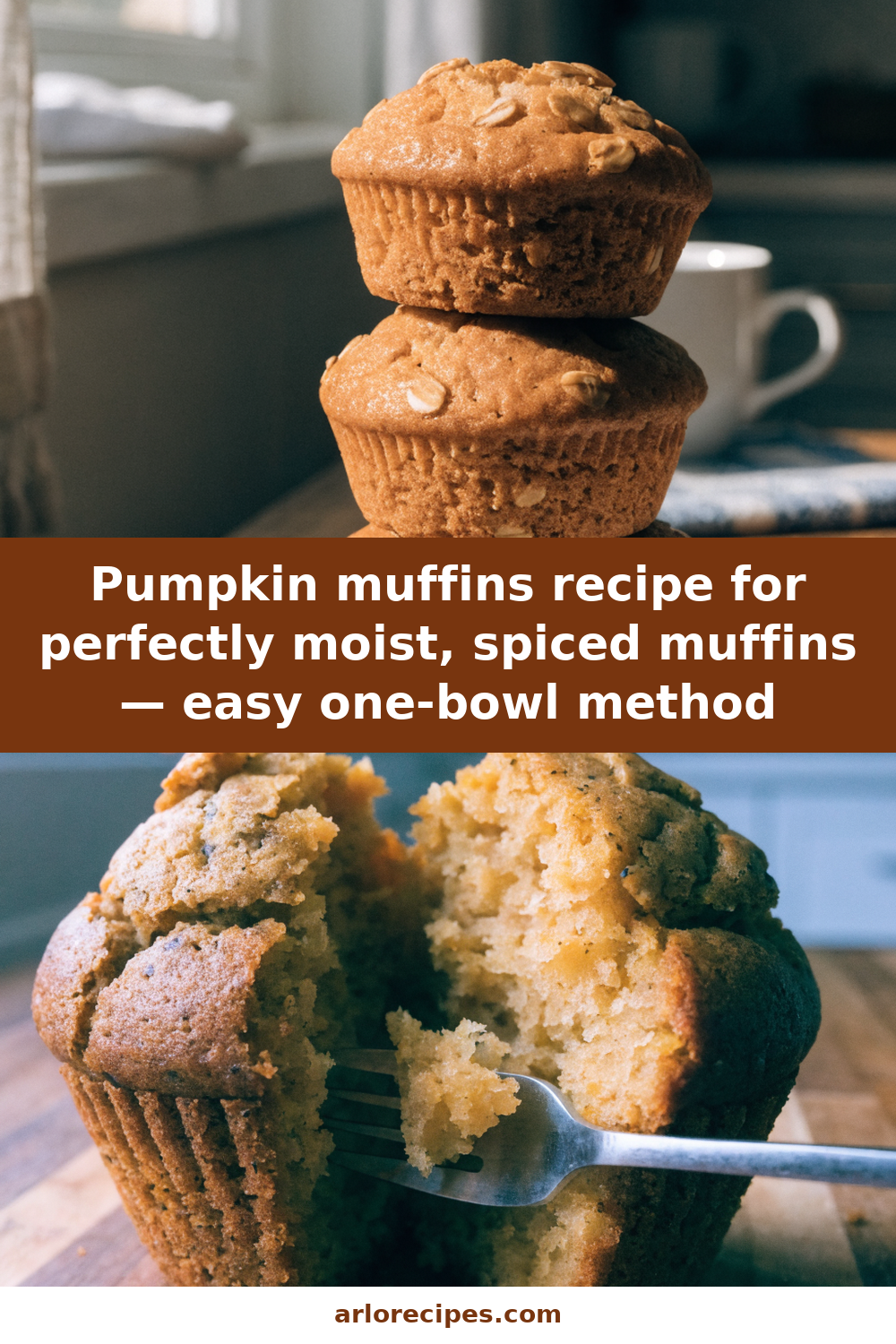
On a rainy afternoon I needed a reliable snack that smelled like fall and held up for a week in the fridge — enter these pumpkin muffins. From the first stir you can smell warm spices and pumpkin; I call them pumpkin muffins because they deliver moist texture without being overly sweet, and they bake up with a domed top that doesn’t flop the minute it cools. If you want muffins that travel well and warm back up nicely, keep reading.
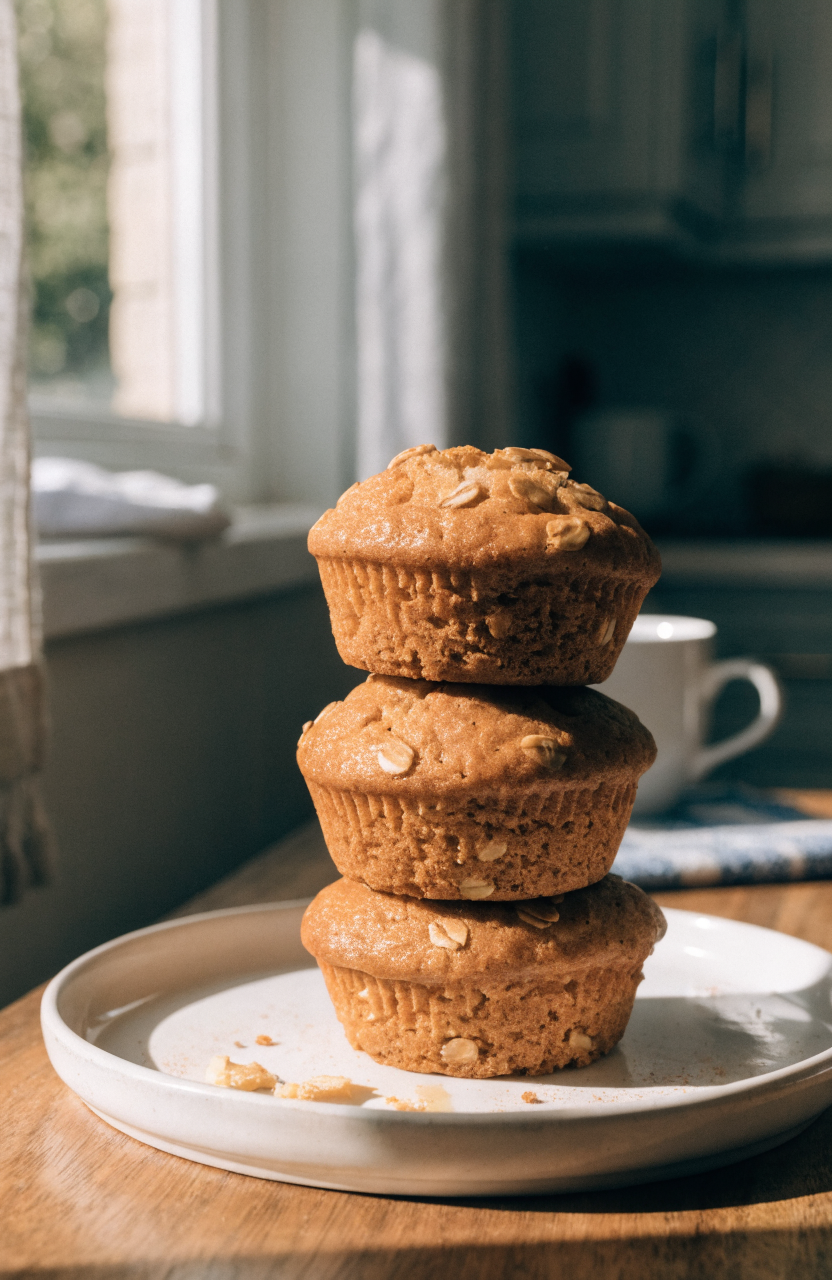
Why this pumpkin muffins works
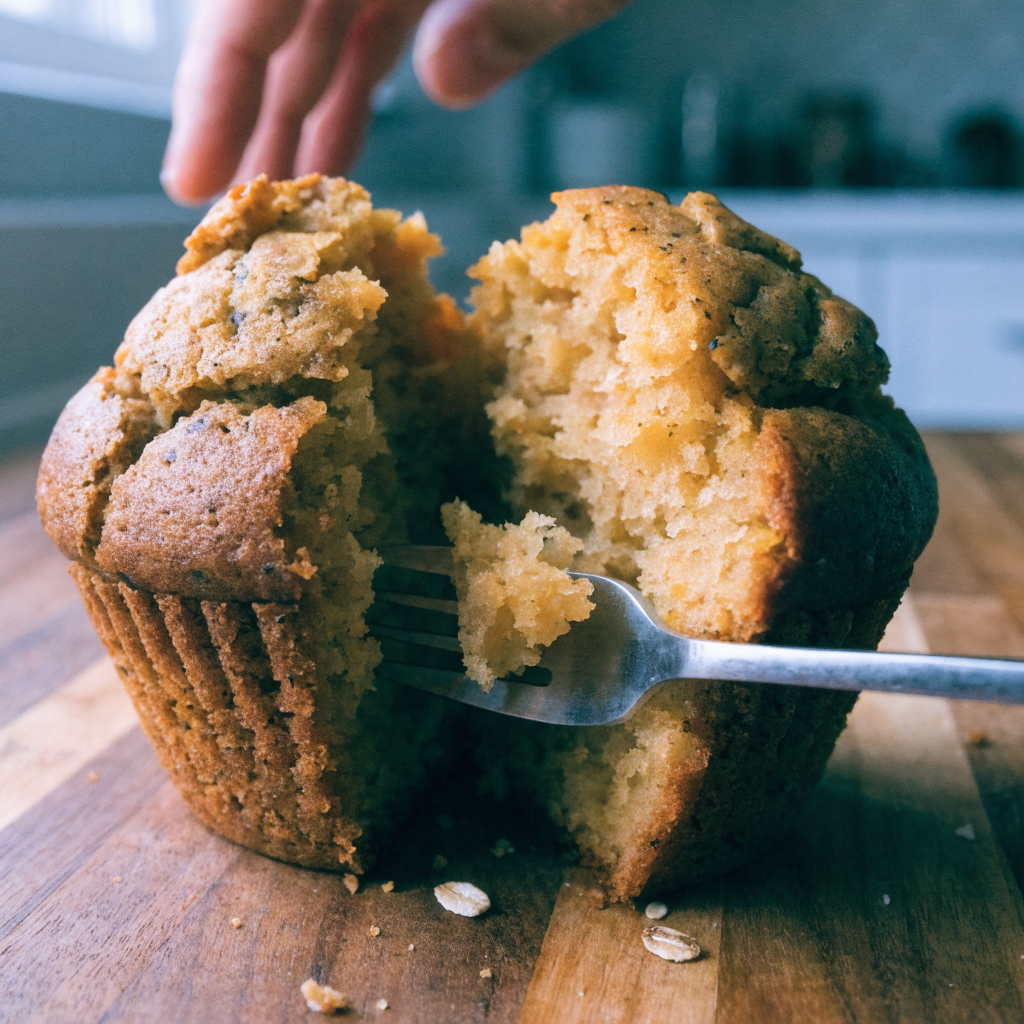
The key technique is balancing pumpkin puree with a small amount of neutral oil plus plain yogurt to maintain moisture without creating a gummy crumb. I tested versions with only butter and only oil; butter-only muffins were richer but tended to dry out by day two, while oil-only versions felt greasy. Adding 1/3 cup of plain yogurt (or sour cream) softens the crumb and improves flavor lift. Another important detail is not overmixing: stir the dry and wet ingredients until just combined so the muffins stay tender. Finally, a short 10-minute rest in the bowl after mixing lets the leavening chemicals bloom with the wet ingredients, which helps produce a reliable dome and even texture.
Key takeaways
- Use a combination of oil and yogurt for moist but light crumb.
- Don’t overmix — stir until the streaks of flour disappear.
- Let the batter rest 10 minutes before baking to improve rise and texture.
Ingredients you’ll need and what to substitute
This recipe keeps the ingredient list pantry-friendly. Canned pumpkin puree (not pumpkin pie filling) is the base; it’s lower in sugar and lets you control spices. All-purpose flour provides structure; if you want a slightly denser muffin, replace up to 1/2 cup of flour with whole wheat, but expect darker color and nuttier flavor. Granulated sugar plus a little brown sugar gives both sweetness and a hint of molasses depth — you can replace all with 1 cup light brown sugar if you prefer a softer, moister crumb. Plain yogurt can be swapped for sour cream or buttermilk thinned with a tablespoon of milk. If you only have melted butter, reduce the oil to 1/8 cup and use 3 tablespoons melted butter instead.
Important measurements to follow: drain any watery off-brand pumpkin puree by giving the can a quick stir and letting it sit for a minute; measure flour properly by spooning it into the cup and leveling with a knife; and use room-temperature eggs so they emulsify easily into the batter. If your kitchen is very cold, allow the yogurt to sit at room temperature for 10 minutes so it blends smoothly.
Equipment
You don’t need anything fancy: a standard 12-cup muffin pan (or two mini muffin pans) is essential because pan size affects baking time and rise. Use paper liners or grease each cup well; a 1/4-cup cookie scoop makes portioning quick and consistent. A medium mixing bowl and a rubber spatula for folding are ideal. A whisk for dry ingredients to break up clumps, a spatula to scrape the bowl, and a small cooling rack finish the setup. If you like a more uniform dome, a spoon of batter can be added on top of each muffin halfway through baking, but this is optional and depends on oven performance.
How to make pumpkin muffins
Prepare and preheat
Preheat your oven to 375°F and position a rack in the center. Line a 12-cup muffin pan with paper liners or grease each cup well. Whisk together dry ingredients so the leavening is evenly distributed; this includes flour, baking powder, baking soda, salt, and your spices. Sifting is optional but can help if your flour is compacted.
Mix wet ingredients
In a separate bowl, whisk the pumpkin puree, granulated sugar, brown sugar, oil, yogurt, eggs, and vanilla until smooth. The mixture should be cohesive and slightly glossy; if your puree is very thick, a tablespoon or two of milk will help. Stir in the brown sugar last so it dissolves. If adding chocolate chips or nuts, toss them with a tablespoon of flour to prevent sinking to the bottom of the muffins.
Combine and rest
Pour the wet ingredients into the dry and fold gently with a rubber spatula until the flour streaks disappear — do not overmix. Overmixing develops gluten and tightens the crumb. Let the batter rest for 10 minutes in the mixing bowl; this quiet rest helps the baking soda and powder start reacting with the moisture, improving lift and making the crumb less gummy. A short rest also lets any small lumps relax so the batter will bake more evenly.
Portion and bake
Spoon or scoop the batter into the prepared cups, filling about 3/4 full. For a shiny top and slightly crisper edge, sprinkle a teaspoon of raw sugar or a few oats on each muffin if you like. Bake at 375°F for 18–22 minutes for standard muffins, or 12–15 minutes for mini muffins. Muffins are done when a toothpick inserted near the center comes out with a few moist crumbs but no wet batter and the tops spring back slightly when touched. Cool in the pan for 5 minutes, then transfer to a rack to cool completely.
To prevent overbaking, begin checking the muffins at the earlier end of the bake window. Ovens vary: a convection oven may shave a few minutes off, while older ovens can run cool. If using a dark nonstick muffin pan, check a couple minutes earlier, since dark pans absorb heat and can finish faster.
Finishing touches and toppings
To dress these pumpkin muffins for serving, consider a light dusting of powdered sugar, a smear of softened cream cheese, or a simple maple glaze (1/2 cup powdered sugar mixed with 1 tablespoon maple syrup and 1–2 teaspoons milk to reach drizzling consistency). If you prefer a streusel topping, mix 1/4 cup flour with 2 tablespoons brown sugar and 2 tablespoons cold butter cut into small pieces, then rub until crumbly and sprinkle over batter before baking. For extra texture, press a few chopped nuts or oats on top of each muffin right before baking.
Common troubleshooting
- Flat muffins: Check your leavening—baking powder and baking soda lose potency over time. Also, do not let batter rest too long; 10 minutes is ideal. If batter sits longer, bake right away.
- Gummy center: This can happen if the batter is overmixed or underbaked. Use the toothpick test and rely on slightly moist crumbs rather than wet batter to determine doneness.
- Excessively cracked tops: A rapid oven spring creates dramatic cracks. If this bothers you, lower the oven by 25°F and bake a few minutes longer for a gentler rise.
Variations to try
- Spiced Streusel: Top each muffin with a simple streusel (1/4 cup flour, 2 tablespoons brown sugar, 2 tablespoons cold butter, pinch of cinnamon) and bake; add 2–3 minutes to baking time.
- Chocolate-Chip Pumpkin Muffins: Fold in 3/4 cup semisweet chocolate chips to the batter; reduce sugar by 2 tablespoons if you prefer less sweetness.
- Maple Walnut: Replace the vanilla with 1 teaspoon maple extract, fold in 1/2 cup chopped toasted walnuts, and sprinkle a few on top before baking.
- Mini Muffins for Parties: Use the same batter and a mini muffin pan; bake 12–15 minutes and watch for a shorter bake time.
Storage, freezing, and reheating
Store cooled pumpkin muffins in an airtight container at room temperature for up to 2 days; refrigerate for up to 5 days to keep them fresh longer. For the refrigerator, place a paper towel in the container to absorb excess moisture. These muffins freeze well: wrap individually in plastic wrap and place in a resealable freezer bag for up to 3 months. To reheat, thaw at room temperature or microwave a wrapped muffin for 20–30 seconds until warm; for a crisper top, reheat at 325°F for 8–10 minutes from frozen on a baking sheet.
When freezing, arrange muffins in a single layer on a tray to flash-freeze for 30–45 minutes, then transfer them to a bag to prevent them from sticking together. Label the bag with the date so you use the oldest batch first.
What to serve with pumpkin muffins
These pumpkin muffins pair well with warm drinks and simple breakfasts. Try:
- A mug of cinnamon-spiced coffee or tea.
- Greek yogurt with a drizzle of honey for a protein boost.
- A bowl of fruit and granola for a balanced brunch plate.
- Soft cream cheese spread or a smear of nut butter for extra richness.
Frequently asked questions
Can I use pumpkin pie filling instead of pumpkin puree? No, use plain canned pumpkin puree. Pumpkin pie filling contains added sugar and spices and will change sweetness and texture.
Why are my muffins dense? Dense muffins usually result from overmixing or too much flour; measure flour by spooning into the cup and avoid vigorous mixing after adding the wet ingredients.
Can I make these gluten-free? Yes, swap a 1-to-1 gluten-free flour blend and add a half teaspoon xanthan gum if your blend lacks it; expect a slightly different crumb and color.
How do I keep the tops from cracking? A few shallow cracks are normal; cracking comes from steam and oven spring. If cracks are excessive, lower oven temperature by 25°F and bake a few minutes longer for a gentler rise.
Can I halve or double the recipe? Yes, halve for 6 muffins or double for 24; when doubling, mix in a larger bowl and split the batter between two pans to avoid overcrowding the oven. Remember that doubled batter may bake more consistently if split between pans so heat circulates evenly.
These practical tips and variations will help you adapt the method to your pantry and equipment while preserving the moist, tender texture that makes these pumpkin muffins a reliable favorite for breakfasts, snacks, and brunches.



Leave a Reply