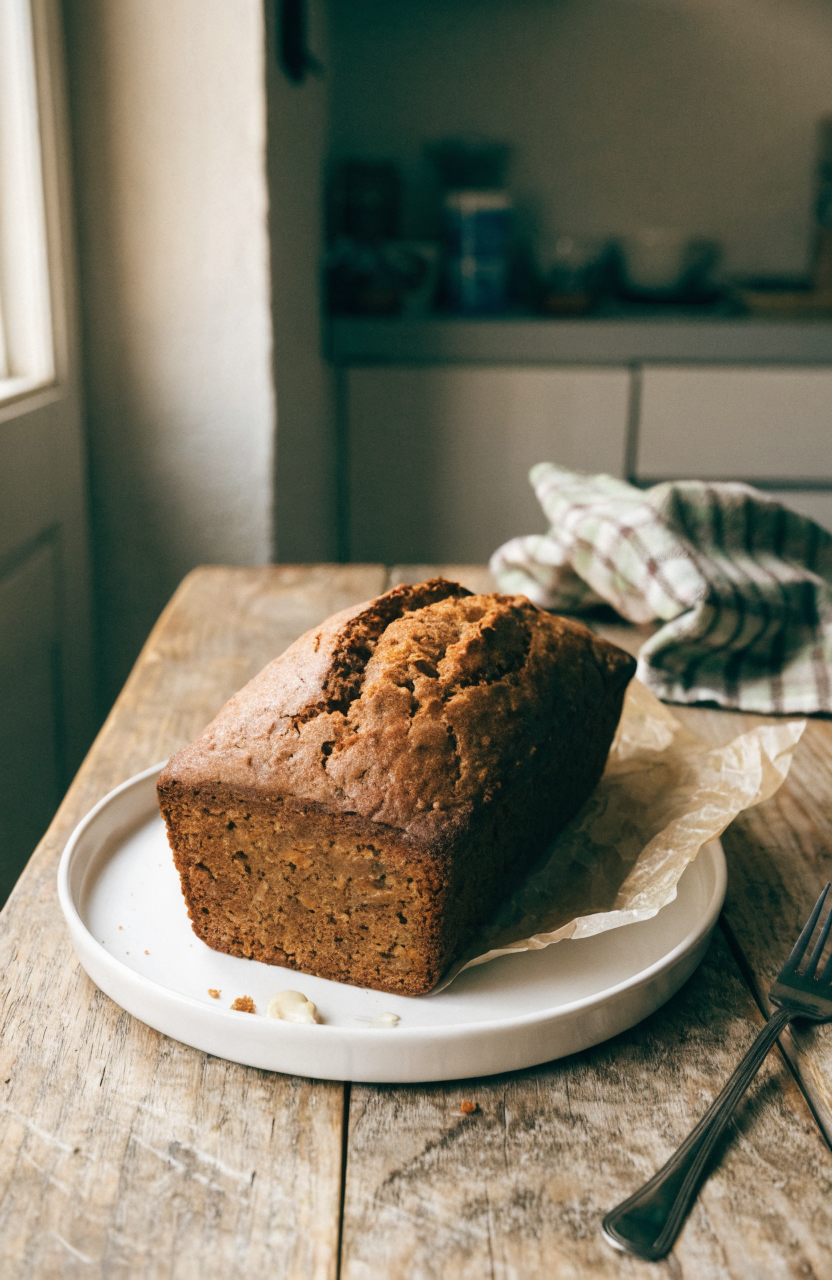
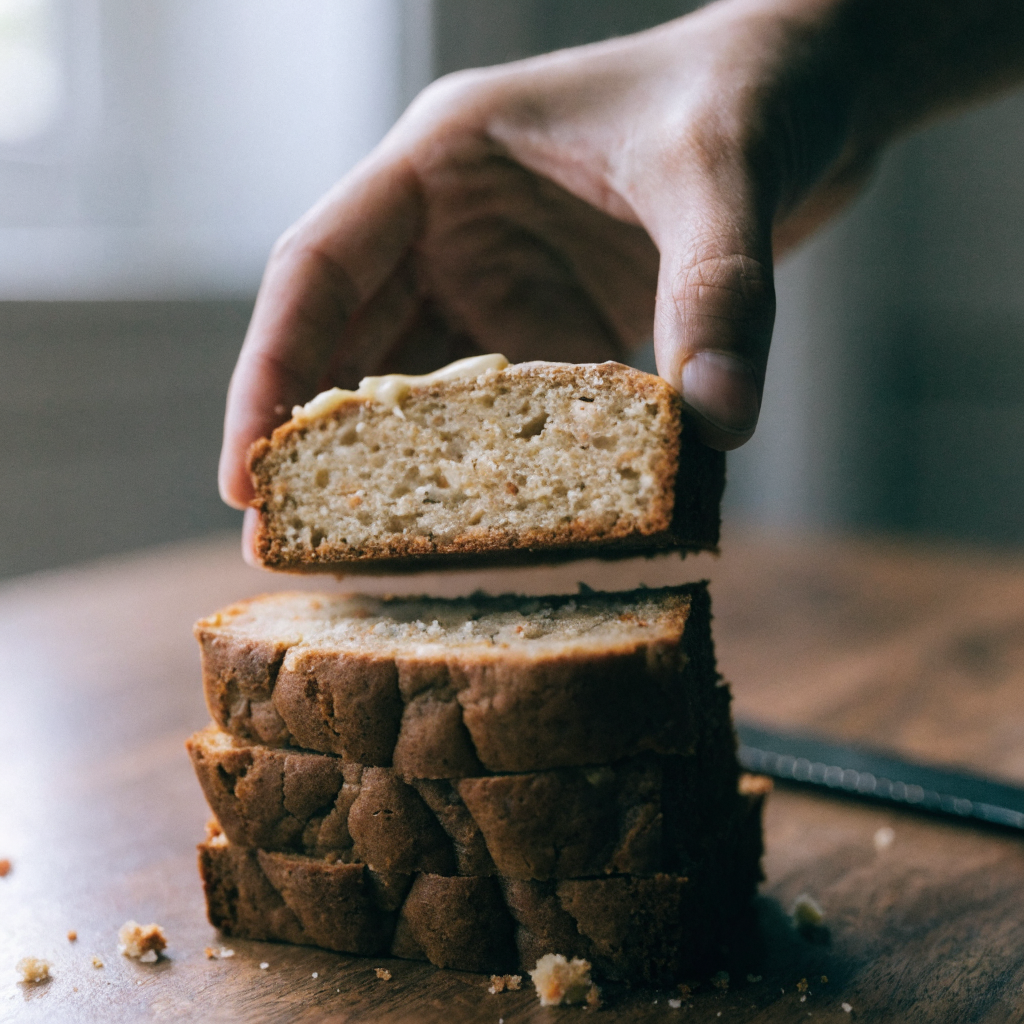
I remember pulling this loaf from the oven the first time and being surprised at how the kitchen smelled like carrot cake and banana bread at once—warm cinnamon, a hint of nutmeg, and caramelized banana aroma. My goal was a dairy free carrot banana bread that held together without being heavy or gummy, and that still felt like a cozy slice you could serve at brunch or wrap for lunch. The result is a tender, slightly crumbly loaf with visible flecks of carrot and a soft, banana-forward crumb that keeps well for days.
Why this dairy free carrot banana bread works
The key technique is balance: using just enough mashed banana and neutral oil to keep the crumb moist without turning it dense, while a touch of baking soda plus baking powder gives a steady rise. I reduced the typical sugar because ripe bananas bring sweetness and used a mix of all-purpose and oat flour to keep the texture tender and prevent a gummy interior. During testing, the first loaf was too dry—I had over-measured the flour and under-used oil—so I adjusted by weighing the shredded carrot by cup and adding an extra tablespoon of oil and an additional egg replacer option for strictly egg-free bakers. The final loaf holds shape when sliced, browns nicely on top, and maintains a soft crumb the next day when wrapped in foil.
Key takeaways
- Use ripe bananas and a modest amount of oil to ensure moistness without sagging.
- A combination of baking soda and baking powder stabilizes rise with carrot moisture.
- Oat flour softens crumb—measure carefully to avoid dryness.
Ingredients you’ll need and what to substitute
For this dairy free carrot banana bread I use everyday pantry ingredients: ripe bananas, shredded carrots, sugar, oil, eggs (or flax eggs), all-purpose flour with a partial oat flour swap, warm spices (cinnamon and nutmeg), and a small amount of acid (apple cider vinegar) to react with baking soda. Carrot adds moisture and texture while bananas provide sweetness and structure.
Substitutions that work: swap the neutral vegetable oil for melted coconut oil (use refined coconut oil for a neutral flavor) or light olive oil; replace 1/2 cup of all-purpose with an equal volume of whole-wheat pastry flour for nuttier flavor but expect a firmer crumb and slightly longer baking time; use 1 1/2 cups oat flour alone for a gluten-free-ish loaf if you also use a certified gluten-free oat flour and a binding xanthan gum (1/4 tsp), but the texture will be softer and more cake-like. For eggs, two large eggs are listed, but you can use two flax eggs (2 tbsp flaxseed meal + 6 tbsp water, mixed and rested 10 minutes) if you need the loaf egg-free, noting the crumb will be slightly denser.
Equipment
You only need a few basics: a 9×5-inch loaf pan (important for the cooking time and loaf shape), a mixing bowl, a box grater or food processor for shredding carrots, a wooden spoon or silicone spatula, and a fork or potato masher for mashing bananas. An instant-read thermometer helps if you want precise doneness (target 200°F in the center). If you don’t have a 9×5 pan, a 8.5×4.5 inch pan can work but bake time may be a bit longer; a standard 9×5 is what I tested with.
How to make dairy free carrot banana bread
Prep and combine wet ingredients
Preheat the oven to 350°F and grease a 9×5-inch loaf pan or line it with parchment leaving a small overhang for easy removal. Mash 1 1/2 cups (about 3 medium-large) very ripe bananas with a fork until mostly smooth; a few small lumps are okay. In a large bowl whisk the mashed banana with 1/2 cup neutral oil, 1/3 cup brown sugar, and 1/4 cup granulated sugar until smooth. Add two large eggs (or two prepared flax eggs), 1 teaspoon vanilla extract, and 1 tablespoon apple cider vinegar and whisk until blended—this little vinegar helps activate the baking soda for lift.
Dry ingredients and folding
In a separate bowl whisk together 1 3/4 cups all-purpose flour, 1/2 cup oat flour (measure by spooning into the cup and leveling), 1 teaspoon baking soda, 1 teaspoon baking powder, 1 teaspoon ground cinnamon, 1/2 teaspoon ground nutmeg, 1/2 teaspoon fine salt, and 1/2 cup chopped walnuts or raisins if using. Fold the dry mix into the wet just until combined; over-mixing makes the loaf tough. Stir in 1 cup packed shredded carrot (about 2 medium carrots), and optionally 1/2 cup raisins or 1/2 cup chopped toasted walnuts for texture.
Bake and cool
Scrape the batter into the prepared pan, smooth the top, and bake at 350°F for 55–65 minutes. Start checking at 50 minutes: insert a thin skewer into the center—if it comes out with a few moist crumbs (not wet batter) the loaf is done. The top should be golden-brown and spring back slightly. If the top browns too quickly, tent with foil for the last 10–15 minutes. Rest the loaf in the pan for 15 minutes, then lift it out with the parchment and cool on a wire rack for at least 45 minutes before slicing; slicing warm will lead to a crumbly, gummy interior.
Things I learned the hard way
- If bananas aren’t ripe enough the loaf tastes flat; always use freckled, soft bananas for best flavor and sweetness.
- Over-measuring flour dries the loaf—use the spoon-and-level method or use a kitchen scale when possible.
- Too much carrot will add excess moisture and drag down the center—stick to about 1 cup packed shredded carrot for a 9×5 loaf.
- My first attempt had a sunken center from opening the oven to check too early; avoid checking before 45 minutes to prevent temperature drops.
- Using only oat flour produced a cake-like texture that crumbled; the all-purpose + oat flour mix gives better structure.
- One real mistake: I skipped the vinegar in an early test, and the loaf rose less with a heavier crumb—adding the tablespoon of apple cider vinegar fixed it by giving the baking soda something to react with.
Variations to try
Spiced orange: add 1 tablespoon orange zest and reduce granulated sugar by 1 tablespoon; bake the same time. Banana-walnut: add 3/4 cup chopped toasted walnuts and swap raisins for chopped dates if you prefer; watch for browning and tent if needed. Maple-ginger: replace brown sugar with 1/3 cup pure maple syrup (reduce oil by 1 tablespoon) and add 1/2 teaspoon ground ginger; the batter will be slightly wetter so bake 5–10 minutes longer and test doneness. Egg-free: use two flax eggs and add 1/4 teaspoon xanthan gum to help structure; expect a denser crumb and bake time similar but test early.
Storage, freezing, and reheating
Store at room temperature wrapped tightly in foil or in an airtight container for up to 3 days. For longer storage keep in the refrigerator up to 7 days; bring slices to room temperature before serving or warm briefly. To freeze, wrap the cooled whole loaf tightly in plastic wrap and foil, or slice and place slices between sheets of parchment in a freezer bag; freeze up to 3 months. Thaw refrigerated overnight (slices thaw quickly on the counter in 20–30 minutes). Reheat single slices in a toaster oven at 325°F for 6–8 minutes, or microwave a slice for 20–30 seconds for a soft warm slice—note the microwave will make the crumb slightly softer and more moist.
What to serve with dairy free carrot banana bread
This loaf works for breakfast, snack, or dessert. Try it with a smear of dairy-free cream cheese or nut butter, serve alongside plain yogurt and fresh fruit for brunch, or pair with a simple hot tea or coffee. For gatherings, arrange slices on a platter with small bowls of toasted nuts and a citrusy fruit salad to cut through the richness.
Dairy Free Carrot Banana Bread
Ingredients
Equipment
Method
- Preheat the oven to 350°F and grease a 9x5-inch loaf pan or line with parchment, leaving an overhang for easy removal.
- Mash bananas until mostly smooth and whisk with oil, brown sugar, granulated sugar, eggs (or flax eggs), apple cider vinegar, and vanilla until blended.
- Whisk together all-purpose flour, oat flour, baking soda, baking powder, cinnamon, nutmeg, and salt in a separate bowl.
- Fold the dry ingredients into the wet just until combined, then stir in shredded carrot and optional raisins or walnuts, taking care not to over-mix.
- Pour batter into the prepared pan, smooth the top, and bake at 350°F for 55–65 minutes until a skewer comes out with a few moist crumbs and the center reads about 200°F if using a thermometer.
- Let the loaf rest in the pan 15 minutes, then lift out with the parchment and cool on a wire rack at least 45 minutes before slicing.
Notes
Frequently asked questions
Can I use frozen grated carrot? Yes—you can use thawed and well-drained frozen grated carrot, but squeeze out excess liquid so the batter doesn’t become too wet; measure 1 cup drained.
Will the loaf stay moist without oil? Oil is important for tenderness; you can reduce oil by 2 tablespoons if desired, but removing it entirely will yield a drier loaf unless you replace with additional mashed banana (which changes texture).
How ripe should the bananas be? Use very ripe bananas with brown spots and soft flesh—these have the best sweetness and flavor. Under-ripe bananas will make the loaf less flavorful and may require extra sugar.
Can I make muffins instead of a loaf? Yes—fill a muffin tin and bake at 350°F for 18–22 minutes. This will reduce bake time and slightly change the crumb; keep an eye on doneness.
Does this recipe freeze well? Yes—the loaf freezes well wrapped tightly for up to 3 months. Thaw overnight in the refrigerator or at room temperature for a few hours.
Can I make this grain-free? This version is not grain-free. Converting to grain-free requires a tested combo of almond flour and tapioca or coconut flour and adjusted binding, so expect quite different texture and bake times.
Closing
This dairy free carrot banana bread gives you a cozy slice with carrot texture and banana sweetness that stays soft for days; I often slice it for afternoon snacks and it warms back up nicely with a dab of dairy-free spread. Enjoy a warm slice and let me know what mix-ins you tried.


Leave a Reply